

 United Kingdom
  Deutschland
  Polska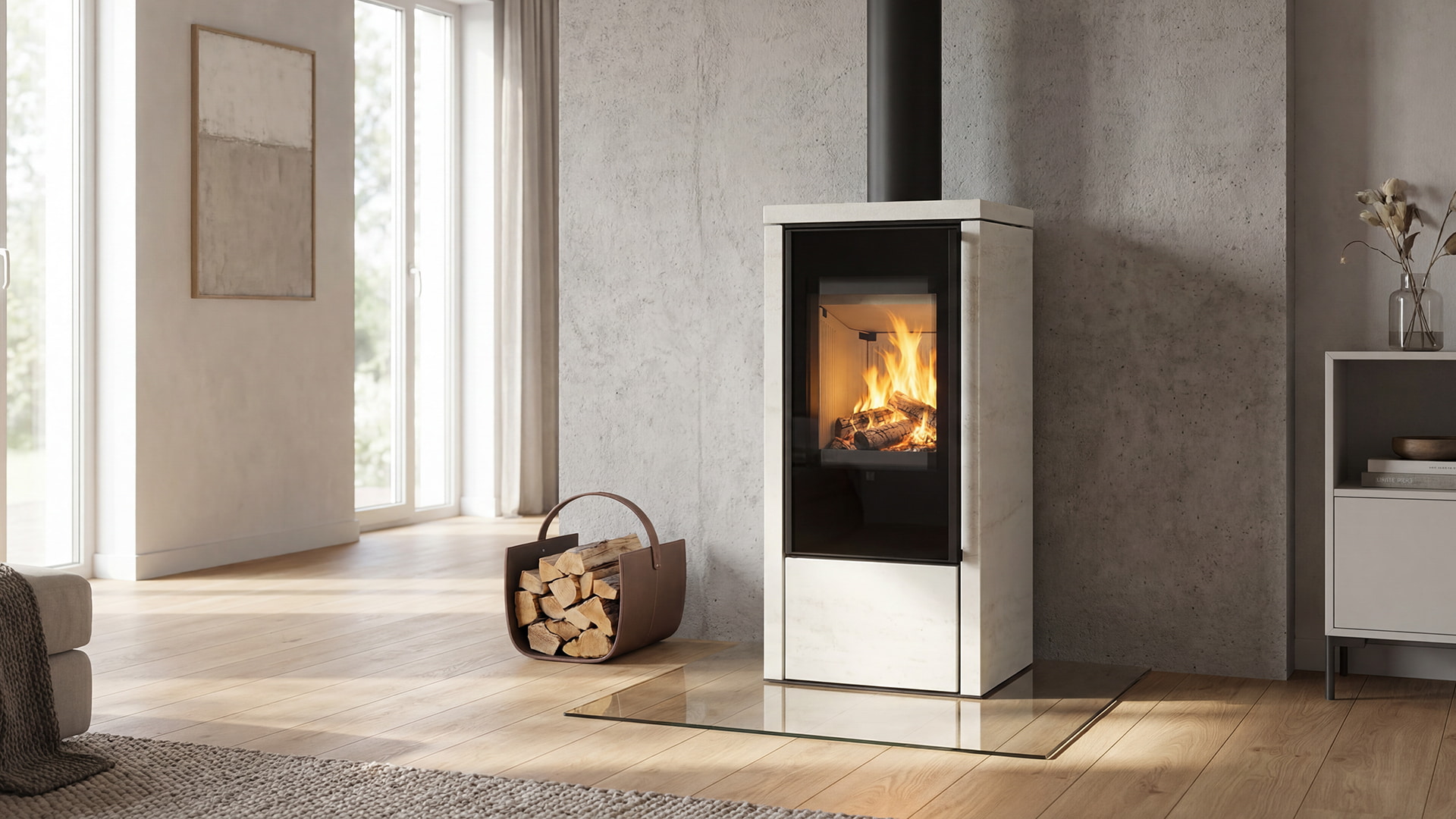
Fireplace Ready for the Coming Autumn
The first cooler days are a reminder that fireplace season is just around the corner. Now is a good time to prepare your fireplace for the months ahead after the summer break.
A few simple steps will help ensure that it works properly, remains comfortable to use, and, most importantly, is safe.
 |
How to Prepare Your Fireplace for the Heating Season?Where should you start? Here are 7 things worth checking before lighting your fireplace for the first time this season. |
1. Check the Chimney Flue
It is worth starting your fireplace preparation for the season with an element that we hardly ever see in everyday use – the chimney flue. During fireplace operation, soot and other combustion by-products can accumulate inside the flue. Excessive build-up increases the risk of a chimney fire, which is why regular chimney cleaning should not be treated merely as something done “from time to time.” For solid-fuel appliances, including wood-burning fireplaces, fire safety regulations require contaminants to be removed from smoke flues at least four times a year. In addition to cleaning, building regulations also require the technical condition of chimney flues to be inspected periodically, at least once a year.The beginning of autumn is therefore a good time to make sure that the system has been properly inspected and is ready for the coming months of more intensive use.
2. Inspect the Inside of the Firebox
The next step is to take a close look at the fireplace itself. After a longer break, it is worth checking the condition of the firebox interior, its lining components, the grate – if the particular model has one – and other parts that are directly exposed to high temperatures. Look for any changes that were not there before, such as damage, loose components or other signs of wear. Not every change in the appearance of a material indicates a technical problem. However, if anything raises concerns, it is safer to consult a service technician or specialist rather than start the season with intensive burning. The first fire of the season should not be the moment when you discover the condition your fireplace was left in after the previous season.
3. Keep the Glass Clean
The glass is one of the most distinctive features of a fireplace. It is through the glass that we enjoy the view of the fire, so it is worth restoring its clarity before the season begins. Deposits left from previous use are best removed with products suitable for fireplace glass, in accordance with the recommendations for the specific appliance. Take care to ensure that cleaning products do not come into contact with components for which they are not intended. It is also worth remembering that the appearance of the glass throughout the season depends on more than just cleaning. The quality of the wood, the way it is burned and the correct operation of the fireplace also play an important role. Clean glass may seem like a small detail, but it makes a huge difference. Especially in fireplaces with large, panoramic or multi-sided glazing, an unobstructed view of the flames creates the entire visual effect.
4. Check the Seals and Door Operation
Before lighting the first fire of the season, it is also worth checking the components responsible for properly closing the firebox. Visually inspect the condition of the seals and check how the door operates. It should work as intended for the particular model, without any concerning changes compared with previous use. For fireplaces equipped with lift-up doors, pay particular attention to the smooth operation of the mechanism. Do not attempt to adjust or dismantle structural components yourself unless this is specifically permitted by the appliance instructions. If you notice a damaged seal, problems with the door closing properly or incorrect operation of the mechanism, it is worth resolving the issue before you begin using the fireplace regularly.
5. Prepare the Right Firewood
You can have an excellent fireplace, but the quality of combustion will still depend greatly on what you put into it. Use firewood that is suitable for your particular appliance and follow the manufacturer's operating instructions. It is especially important that the wood is properly seasoned and sufficiently dry. Properly dried firewood promotes efficient combustion, reduces smoke and helps limit the build-up of deposits inside the firebox and chimney flue.
6. Make Sure the Fireplace Has an Adequate Air Supply
Fire needs not only fuel but also air. Before the season begins, make sure that the components responsible for supplying air and providing ventilation have not been accidentally covered or blocked. This is particularly important in modern, airtight buildings. Ventilation grilles and air inlets should therefore not be treated as insignificant interior features. Proper airflow conditions are an essential part of the entire system in which the fireplace operates.
7. Take It Easy with the First Fire
After a longer break, the first fire should be lit carefully and in accordance with the instructions for your specific fireplace model. There is no need to start the season with a maximum fuel load or an extremely intense fire. The first fire is also a good opportunity to observe how the appliance is operating. Pay attention to the behaviour of the flames, the controls, the door and the way the flue gases are being discharged. If the fireplace behaves differently from previous use – for example, if there are problems with the chimney draft or smoke enters the room – do not ignore it. It is worth identifying the cause before continuing to use the appliance.


